
What if the smallest corner of a city turned out to hold its biggest conversations?
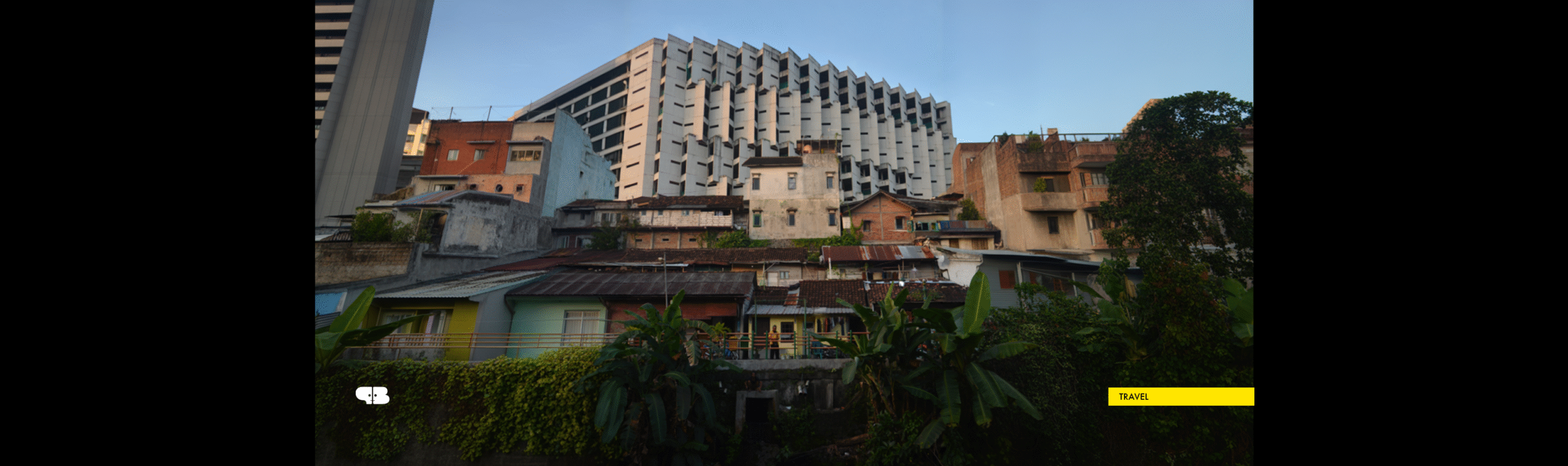
A gang or alley is often treated as nothing more than a passage. A narrow stretch to hurry through, rarely noticed, almost never remembered. Yet for Gang-gangan, small spaces like these carry a kind of quiet intimacy cities often forget. They see an alley as a civic room where people meet without realising it, and where a sense of belonging grows in its own unassuming way.
Gang-gangan began with a group of friends whose fondness for everyday life slowly grew into a creative collective. Their work is rooted in a spirit of shared effort carried in a contemporary and instinctive manner. There is no formal ladder. No rigid structure. Only a steady interest in the ordinary and a readiness to tend to it. One thing they always emphasise is that they are not walking operators. They do not run a service or a fixed tour. Their gatherings move with the rhythm of community instead. Casual. Open. Responsive to place and time.
There is no schedule carved into their routine. Even so they often host group walking sessions across Jakarta, Yogyakarta, Malang, Bandung, Bogor, and at times Bali. Each walk feels like a soft pause in the city. A gentle way to meet neighbours and discover stories tucked between walls. They hope to visit more cities in the years ahead letting new environments shape their conversations.
Their online presence plays an important role in this. Through Instagram @gang.gang.an the collective reaches the people who later join their walks or stay to share what they see. The founder once said that Gang-gangan also serves as an on site learning hub for citizens to discuss and collectively reimagine their ideal city space. It is both a meeting point and an evolving classroom.
Attention to archiving naturally grows from this. Gang-gangan sees every alley as a record of change. To preserve those shifts they work within an archival framework called Koleksip short for archive collection. It runs as a thematic open submission inviting collaborative work from anyone who cares about these spaces. The collection sits safely on their account as a long term attempt to keep the small textures of city life from fading.
While they continue hosting their casual public walks there is one new thread in their practice. After each gathering they now welcome a post-walk gang space mapping known as Catatan Kaki Gang. This becomes a creative way to gather more archives and build more participation. Every note, sketch, memory, and reflection adds another layer to their growing record. It opens more doors for future projects and more opportunities for people who want to understand their own city a little deeper.
And perhaps that is what makes Gang-gangan matter. Culture doesn’t grow only in museums or imposing buildings. Often it begins in a gang in the narrowest places when someone decides to look a little closer and invites others to join. Through this collective an alley becomes more than a route. It becomes a room, a gathering place, a reminder that a city’s warmth lives between walls.